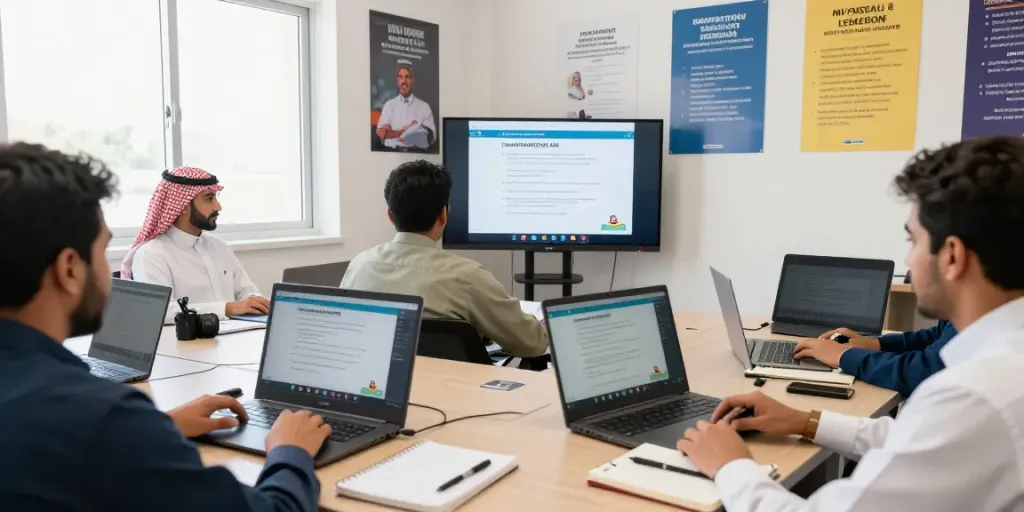
Understanding the Job Market: Trends for 2026
The landscape of job opportunities is continuously evolving, shaped by technological advancements, shifting economic landscapes, and changing workforce expectations. As we approach 2026, understanding these trends is crucial for job seekers looking to navigate the complexities of the modern job market. From the rise of remote work to the increasing importance of skills over formal education, this article delves into the current trends, common pitfalls, effective job application strategies, and best practices for securing interviews. Furthermore, we will explore the foundational skills necessary for future job success, providing readers with the knowledge and strategies needed to excel in their job search. For those exploring options, หางาน offers comprehensive insights into available opportunities.
Current Landscape of Job Opportunities
The job market is currently marked by unprecedented changes. The COVID-19 pandemic has accelerated trends that were already underway, including the shift toward remote and hybrid work. Many organizations are now adopting flexible work arrangements as a permanent fixture, leading to a greater emphasis on digital skills and self-management capabilities. Job seekers today must be prepared to adjust their expectations and approaches to align with these new realities.
- Remote Work: This has become a standard practice in many industries, allowing companies to tap into a global talent pool.
- Gig Economy: An increasing number of professionals are opting for freelance or short-term contract roles, offering flexibility but requiring self-discipline.
- Tech Integration: Companies are investing in technologies that facilitate collaboration, communication, and productivity, making tech-savvy candidates highly sought after.
The Impact of Remote Work on Job Seekers
Remote work has reshaped the expectations of both employers and job seekers. Many individuals now expect a degree of flexibility in their work arrangements, prompting companies to adapt their recruitment strategies. Job seekers are increasingly looking for roles that offer remote or hybrid options, allowing for a better work-life balance. Additionally, the geographical constraints that once limited job searches are dissolving, enabling candidates to apply for positions without needing to relocate.
Emerging Industries and Roles to Watch
As we progress toward 2026, certain industries and roles are expected to experience significant growth. For instance, the technology sector continues to thrive, with roles in artificial intelligence, data analysis, and cybersecurity becoming increasingly integral across various fields. Similarly, healthcare, particularly telehealth services, is poised for expansion as demand for remote healthcare solutions rises. Furthermore, sustainability-focused companies are gaining traction, with job opportunities in renewable energy and environmental consulting on the rise.
Common Pitfalls in Job Searching
While navigating the job market can be daunting, avoiding common missteps can significantly enhance a candidate's chances of success. Many job seekers fall victim to misconceptions and oversights that hinder their ability to secure desirable positions. Recognizing these pitfalls is the first step toward a more strategic job search.
Misunderstanding Job Descriptions
Job descriptions are often laden with jargon and can be misinterpreted. Job seekers may either overestimate their qualifications or disqualify themselves unnecessarily. It’s crucial to analyze job descriptions critically, focusing on the core competencies required rather than getting lost in industry-specific terminology.
Overlooking Company Culture Fits
Another common oversight for job seekers is neglecting to consider company culture. Candidates often focus solely on salary and benefits but fail to assess whether a company's values align with their own. Researching a company's mission, values, and employee reviews can provide invaluable insight into whether a potential employer is a good fit.
Falling for Job Scams
The rise of digital job postings has also led to an increase in job scams. Unscrupulous individuals and organizations can prey on desperate job seekers, making it essential to stay vigilant. Always verify the legitimacy of job postings and avoid roles that require upfront payments or personal information too early in the application process.
Effective Strategies for Job Applications
With an understanding of common pitfalls in mind, applying effective strategies for job applications becomes essential. The competition is fierce, and standing out is imperative in today’s job market.
Tailoring Your Resume and Cover Letter
One of the most effective ways to enhance your application is by customizing your resume and cover letter for each position. Tailoring your documents to reflect the requirements of the job and the culture of the organization can significantly improve your chances of being noticed by hiring managers. Highlighting relevant experiences and skills that align with the job description can set you apart from other candidates.
Leveraging Online Job Platforms
Utilizing online job platforms efficiently can streamline your job search process. Websites such as Indeed, LinkedIn, and company-specific career pages allow you to filter job listings by various parameters, making your search more targeted. Moreover, maintaining a strong online presence can attract potential employers who are increasingly turning to social media and digital networks to find candidates.
Networking: Building Meaningful Connections
Networking remains one of the most powerful tools a job seeker can possess. Connecting with professionals in your industry through LinkedIn or participating in industry-related events can lead to opportunities that are not publicly listed. Building relationships with those already employed can provide insights into their companies and potentially lead to recommendations or referrals.
Interview Best Practices for Success
Once your application garners interest, the next challenge is preparing for interviews. Developing a strong interview strategy is essential for success.
Preparing for Common Interview Questions
Preparation is key when it comes to interviews. Familiarizing yourself with common interview questions and formulating thoughtful responses can set you up for success. Practice articulating your experiences and skills succinctly, focusing on accomplishments and metrics that demonstrate your value.
Dressing for Success: Professional Appearance Tips
Your appearance during an interview can make a lasting impression. It's important to dress appropriately for the industry and role. While many companies have adopted casual dress codes, showing that you take the interview seriously by dressing professionally can help you stand out from other candidates.
Following Up After Interviews: The Right Approach
After the interview, sending a follow-up thank-you email is a professional courtesy that can reinforce your interest in the position. A brief note expressing gratitude for the opportunity and reiterating your enthusiasm can keep you top of mind with hiring managers.
Future Opportunities: Skills for 2026 and Beyond
The job market is not only about the positions available but also the skills that will be in demand. As we anticipate the changes leading to 2026, identifying and developing essential skills can enhance your employability.
Identifying Essential Skills in Demand
As industries evolve, certain skills will rise to prominence. Key areas to focus on include digital literacy, problem-solving, emotional intelligence, and adaptability. Employers are increasingly valuing soft skills alongside technical competencies, recognizing the importance of interpersonal dynamics in the workplace.
The Role of Continuous Learning in Career Growth
Continuous learning is vital in an era where change is the only constant. Engaging in professional development through workshops, courses, certifications, or online learning platforms can augment your skill set and keep you competitive in the job market.
Preparing for Technological Advances in the Workplace
Technological advancements are set to redefine job functions across all industries. Proactively staying informed about emerging technologies and developing skills that complement these tools will be crucial. Understanding how to leverage technology can enhance productivity and increase your value as an employee.
What should I include in my resume for หางาน?
Your resume for หางาน should include relevant work experience, clear descriptions of skills and achievements, and a summary that outlines your career objectives. Making use of action verbs and quantifiable results will enhance the effectiveness of your resume.
How can I effectively network while job searching?
Networking effectively requires a strategic approach. Attend industry conferences, engage in community events, and utilize social media platforms like LinkedIn to connect with professionals in your field. Building genuine relationships can significantly benefit your job search.
What are the common mistakes people make when interviewing?
Common mistakes during interviews include failing to research the company, inadequate preparation for questions, and not asking insightful questions. Each of these missteps can create a negative impression and reduce your chances of success.
How do I spot a job scam?
To spot a job scam, be wary of job postings that promise unrealistic salaries, require upfront fees, or request sensitive personal information too early. Always research the company and verify job postings through official channels.
What skills are most valuable in 2026?
As we look toward 2026, valuable skills will likely include advanced data analysis, proficiency in artificial intelligence applications, cross-cultural communication, and flexibility in learning new tools and processes as they emerge.